
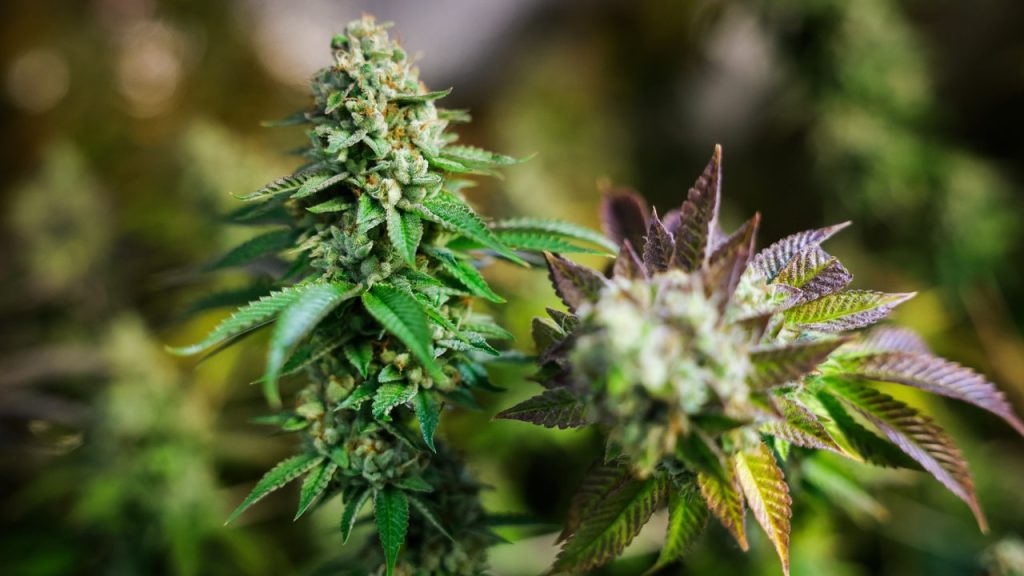
Cannabis extracts are concentrated products made by separating selected compounds from cannabis plant material. Their composition, potency, ingredients, and production methods can differ significantly, making accurate product information important for consumer awareness. Understanding Best Extracts Online Canada involves looking beyond product descriptions and considering the standards that apply to legal cannabis extracts, including testing, labelling, packaging, and ingredient disclosure. These details help adults understand what regulated products contain and why quality controls are an important part of Canada’s cannabis framework.
Understanding Cannabis Extracts
Cannabis extracts are produced by separating cannabinoids and other plant compounds from cannabis material. The resulting products can have different textures, concentrations, and intended uses depending on their formulation and the manufacturing process.
Common extract formats include oils, waxes, resins, and other concentrated preparations. Some products are intended for specific forms of consumption, while others are incorporated into regulated cannabis products such as oils or edibles.
Extracts can contain higher concentrations of cannabinoids than dried cannabis. This makes clear product information particularly important. Consumers should not assume that all extracts have the same strength, ingredients, or effects.
In Canada, cannabis extracts sold through the legal marketplace must meet applicable federal requirements and relevant provincial or territorial retail rules. Product category and intended use influence which standards apply.
Canada’s Regulatory Framework for Cannabis Extracts
The Cannabis Act establishes the national framework for regulated cannabis production and distribution. It covers important areas such as licensing, product standards, packaging, labelling, promotion, and legal access.
Federal requirements apply to businesses involved in authorised cannabis production. Provinces and territories oversee many retail responsibilities, including store authorisation, online sales arrangements, and delivery conditions.
This division means that legal retail arrangements can vary across the country. Consumers should understand the rules that apply in their location and verify whether an online retailer is authorised to operate there.
A product description or professional website does not establish that an extract is legally regulated. Official licensing information and compliant packaging provide more meaningful indicators of whether a product belongs to the authorised marketplace.
Cannabis Extract Testing and Quality Controls
Testing is an important part of the regulated cannabis supply chain. Licensed producers must follow applicable quality requirements and testing procedures before products can enter the legal market.
Testing helps assess product composition and whether it meets relevant regulatory standards. Depending on the product and applicable requirements, testing may address cannabinoid content, microbial contamination, chemical residues, and other quality or safety parameters.
These controls help identify potential problems and support consistency in product information. However, testing does not mean that cannabis extracts are risk-free. It also does not guarantee that every individual will respond to a product in the same way.
Consumers should understand that quality testing is one part of a broader regulatory system. Production controls, packaging standards, traceability, and accurate labelling also contribute to product oversight.
Understanding Cannabinoid Content
Cannabinoids are naturally occurring compounds found in cannabis. THC and CBD are two of the most commonly identified cannabinoids on regulated product labels.
THC, or tetrahydrocannabinol, is primarily responsible for cannabis’s intoxicating effects. It can influence memory, concentration, coordination, and reaction time. Extracts containing THC may therefore produce impairment, particularly when their concentration is high.
CBD, or cannabidiol, does not produce the same intoxicating effect as THC. However, CBD is not automatically free from health considerations and may interact with certain medications.
Labels may show cannabinoid content in milligrams or percentages. A percentage represents the proportion of a substance within a product, while a milligram figure describes a measured quantity. Consumers should check whether the displayed information refers to the total package or a particular amount of product.
Ingredients Used in Cannabis Extracts
The ingredients in an extract depend on its formulation and product category. Some preparations contain cannabis extract with a carrier oil, while others may include flavouring agents or additional permitted ingredients.
Ingredient information matters because consumers may have allergies, sensitivities, or dietary requirements. Reviewing the complete ingredient list can help identify substances that may be unsuitable.
Different extraction and formulation processes can also influence the final product. Consumers should avoid assuming that two extracts with similar names or appearances have identical compositions.
Regulated labels should provide required information about product contents. If the ingredients are unclear or important details are missing, consumers should not rely on assumptions based on promotional descriptions.
Packaging and Product Labelling Standards
Packaging and labelling are important parts of Canada’s cannabis quality framework. They help communicate product identity, cannabinoid information, warnings, and handling requirements.
Depending on the category, packaging may include:
- Product name and category
- Net quantity
- THC and CBD content
- Ingredient information
- Allergen details where applicable
- Required health warnings
- Lot identification and traceability details
- Storage instructions where applicable
Cannabis packaging must also follow requirements intended to protect children and limit the appeal of products to young people. Child-resistant features are an important safeguard.
Consumers should inspect packaging for damage, missing information, or signs of tampering. A sealed and clearly labelled product provides more useful information than an item with uncertain origins or incomplete details.
The Importance of Lot Identification and Traceability
Traceability helps connect cannabis products with their regulated supply chains. Lot identification and related records allow authorised businesses and regulators to track products through relevant stages of production and distribution.
This information can become important when a quality concern or product recall arises. It helps identify affected products and supports communication with consumers and retail businesses.
Consumers should retain original packaging where practical because it contains product details that may be useful if a question arises later. Removing labels or transferring extracts into unmarked containers can make identification more difficult.
Recognising Unregulated Extracts
Unregulated cannabis extracts may not meet the same production, testing, packaging, and labelling standards as products sold through authorised channels. Their ingredients, cannabinoid concentrations, and manufacturing conditions may be difficult to verify.
Warning signs can include missing business details, unclear product origins, incomplete labels, unsupported medical claims, or a seller that cannot demonstrate legal authorisation.
Consumers should be cautious of statements promising guaranteed effects or suggesting that a concentrated product is completely safe. Potency and quality claims should be supported by reliable product information rather than promotional language.
Checking official provincial or territorial retail information is a more reliable way to understand whether a seller is authorised.
Health and Safety Considerations
Cannabis extracts can contain concentrated amounts of THC, so understanding their potential effects is essential. THC may impair judgement, attention, coordination, and reaction time. Some individuals may also experience anxiety, dizziness, confusion, or other unwanted effects.
Consumers should follow product warnings and avoid driving or operating machinery while impaired. Combining cannabis with alcohol or other intoxicating substances can increase impairment and make effects less predictable.
Cannabis should be avoided during pregnancy and breastfeeding. People with health conditions or questions about medication interactions should consult a qualified healthcare professional.
Extracts should be stored securely in their original packaging, away from children and pets. Concentrated products should never be left in places where someone could mistake them for ordinary household items.
Responsible Consumer Education
Understanding cannabis extract quality requires more than looking at potency figures. Consumers should consider the product category, ingredients, testing standards, packaging, traceability, and applicable legal requirements.
Online descriptions may provide general information, but they should not replace the actual product label or official regulatory guidance. Retail authorisation should also be verified separately from website security or customer reviews.
Federal and local rules can change, so current official information remains important when checking product standards or retail conditions.
Conclusion
Cannabis extract quality in Canada is supported by a combination of production requirements, testing procedures, ingredient disclosure, packaging rules, and product traceability. These standards help establish accountability and provide consumers with clearer information about regulated products.
Understanding cannabinoid content, reviewing ingredients, checking labels, and recognising signs of unregulated supply are important parts of consumer awareness. Responsible storage and knowledge of potential impairment are equally important. By understanding these factors, adults can develop a more informed view of Canada’s regulated cannabis extract system and the quality information associated with it.
You may also like
-
How Dr Scott Kamelle Connects Medical Knowledge With Better Patient Outcomes
-
Enhance Your Care Skills for the Future with a PCA Certificate
-
Buy Testosterone Online Securely to Begin Effective Therapy
-
How Online Providers Offer Transparent and Effective TRT Plans
-
Breaking Down Alternatives to Whoop Straps for Fitness Goals